Master the Odds: A Professional Guide to Casino Game Strategies


You pull up a virtual chair at a digital blackjack table, and the dealer slides two cards your way. The core of any casino game is a simple, direct contest between you and the house, governed by fixed rules and chance. This setup gives you a straightforward thrill—the excitement of a fast decision with a clear, immediate result. It’s this pure, uncluttered challenge that makes casino games such an engaging escape from the everyday.
Understanding the Core Appeal of Table-Based Wagering
The core appeal of table-based wagering lies in its transparent, player-driven interaction with probability. Unlike automated slots, casino games like blackjack or baccarat allow you to make decisions that directly influence the outcome, creating a tangible sense of control. The core appeal of table-based wagering is the social engagement and rhythm of live play, where reading the table and managing your bet size become as important as understanding the odds. This structure rewards patience and strategic discipline, offering a deeper, more analytical experience than solitary, rapid-spin games. True mastery comes from realizing that your edge is not in defeating the house, but in efficiently navigating the game’s known volatility.
Blackjack: Mastering the Art of Twenty-One
Blackjack, a cornerstone of table gaming, is less about luck and more about mastering the art of the count. The core appeal lies in the player’s ability to influence the outcome through strategic decision-making, transforming each hand into a puzzle. You start by learning when to hit, stand, or double down based on your cards versus the dealer’s upcard. A foundational sequence includes:
- Memorizing basic strategy for hard and soft hands.
- Understanding when to split pairs like Aces or eights.
- Recognizing favorable decks for increasing your bet.
The thrill comes from this calculated risk, not random chance. Card counting, while often romanticized, is just one advanced layer of the game’s inherent skill-based appeal.

Roulette: The Spin, the Wheel, and the Odds
Roulette’s core appeal in table wagering stems from the physics of the spin and the wheel’s precise construction. The spinning wheel and bouncing ball create a random outcome, but the layout offers fixed odds for each bet. A single number (straight up) pays 35:1 but carries a 2.70% house edge on a European wheel, while even-money bets like red/black cover nearly half the board. The house edge calculation is directly tied to the zero(s) on the wheel, making European (single zero) more favorable than American (double zero) versions.
- Inside bets (e.g., split, street) offer higher payouts but lower probability due to fewer covered numbers.
- Outside bets (e.g., columns, dozens) win nearly 1 in 3 spins but only pay 2:1.
- The physical spin speed and ball trajectory influence landing zones, yet the wheel’s balanced mechanics ensure long-term odds remain fixed.
Baccarat: Simplicity and High-Stakes Strategy
Baccarat offers a paradox of high-stakes strategy wrapped in absolute simplicity. Your only decision is whether to bet on the Player, Banker, or Tie, after which the dealer handles all card draws according to fixed rules. This minimal involvement lets you focus purely on bankroll management and streak observation. High rollers leverage this streamlined pace to deploy progressive betting systems—e.g., the Martingale—without the distraction of complex play decisions.
- Banker bet carries the lowest house edge (≈1.06%), making it the core strategic choice for serious players.
- Tie bets offer inflated payouts (8:1 or 9:1) but a steep house edge (≥14.4%), a trap for the uninformed.
- Tracking “shoe streaks” (consecutive Player or Banker wins) misguides many, as each hand is independent.
- Table limits cap Martingale doubling, so proper stake sizing is essential for survivability.
Craps: Deciphering the Lively Dice Action
Craps offers a uniquely communal experience within table-based wagering, centered on deciphering the lively dice action as players wager on each roll. The core interaction revolves around the Pass Line bet, where you win immediately if the shooter rolls a 7 or 11 on the come-out roll. Understanding the Point—the number established if a 4,5,6,8,9, or 10 is rolled—is critical, as subsequent rolls aim to repeat this Point before a 7 appears. This sequence creates distinct betting opportunities like Odds bets, which carry no house edge when added behind a Pass Line wager. The fast-paced throws and collective cheers or groans define the game’s dynamic rhythm.
In craps, the energetic dice action transforms a simple roll into a shared narrative, where reading the sequence of outcomes guides your strategic bets on each throw.
Exploring the World of Mechanical and Digital Reels
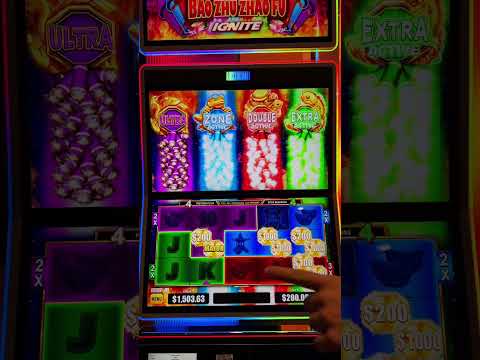
Exploring the world of mechanical and digital reels reveals how slot machines have evolved from physical spinning drums to virtual slot engines. Classic mechanical reels rely on actual moving parts with fixed stop positions, giving you a tactile sense of each spin. Digital reels use RNG algorithms to determine outcomes instantly, allowing for elaborate animations and hundreds of paylines. For players, mechanical reels offer a nostalgic, slower-paced experience with limited symbols, while digital reels provide dynamic wilds, cascading wins, and interactive bonus rounds. Understanding this difference helps you choose between retro charm and feature-packed gameplay.
Classic Slot Machines: From One-Armed Bandits to Digital Thrills
Classic slot machines, the iconic « one-armed bandits, » offer a pure, stripped-back thrill with their physical reels and lever pulls. These mechanical games limit you to three reels and a single payline, focusing on simple symbols like cherries and bells. The direct tactile feedback of the handle and the clunk of coins dropping create a nostalgic charm non gamstop casinos that digital versions try to replicate. Today, digital classic slots mimic this experience on screens, adding autoplay but keeping the same straightforward rules. They trade complex bonus rounds for the satisfying jolt of a near-miss on a single line.
Q: What makes a classic slot machine different from a video slot?
A: Classic slots feature three physical reels and one payline, focusing on base-game wins without the elaborate bonus features or multiple paylines found in modern video slots.
Video Poker: Merging Slot Simplicity with Card Strategy
Video Poker merges the simple, one-button play of a slot machine with the strategic depth of card games. Instead of spinning reels, players are dealt five cards and must decide which to hold or discard to form the best poker hand. The machine then draws replacement cards, paying out based on a fixed paytable for hands like Two Pair or a Royal Flush. This creates a unique dynamic where optimal card strategy directly influences the house edge, as holding a low pair versus a single high card changes expected returns. Players balance the instant reward of slots with calculated decisions, making each hand a quick, self-contained puzzle.
Progressive Jackpots: Chasing Life-Changing Payouts
Progressive jackpots pool a fraction of every wager into a life-changing payout that grows until one lucky spin triggers it. Unlike fixed jackpots, these prizes multiply across linked networks of digital reels, often reaching millions. To chase these wins, players must bet the maximum stake to qualify for the top prize. The sequence begins with a qualifying spin, triggers a bonus round via scatter symbols, and concludes with a dramatic jackpot reveal. Each turn on the reels contributes to the ever-increasing pot, making every session a potential record-breaker.
Interactive and Player-Versus-Player Experiences
Interactive and player-versus-player (PvP) experiences in casino games transform solitary play into social competition. Unlike traditional house-banked games, PvP formats like poker, baccarat tournaments, or blackjack battles pit players directly against each other, with the casino taking a rake or fee. Skill and bluffing become critical as you read opponents’ betting patterns and manage your own chip stack. A short Q&A: Q: Do PvP casino games require different strategies than standard games? A: Yes, because you must adapt to real-time opponent behavior rather than relying solely on static house odds. These experiences also include interactive live-dealer tables where players chat and compete for bonuses, creating a dynamic environment where decisions affect other participants’ outcomes directly.
Poker Tables: Variants Like Texas Hold’em and Omaha

Poker tables dedicated to Texas Hold’em and Omaha transform the casino floor into a high-stakes arena of psychological warfare. In Hold’em, players master two hole cards and five community cards to build the best hand, while Omaha forces them to juggle four hole cards for increased action and pot possibilities. These variants demand sharp reading of opponents’ betting patterns, not just luck. Every decision—from raising to folding—shifts the table’s dynamic, creating intense player-versus-player combat where skill directly dictates your profit. The felt becomes a battlefield for calculated risk.
Game Shows and Live Dealer Formats
Game shows and live dealer formats merge real-time human interaction with the thrill of TV-style competition, letting players face off against hosts and each other. In titles like *Dream Catcher* or *Monopoly Live*, you spin the wheel or pick numbers live, while blackjack and roulette streams pit your decisions directly against the dealer and seated opponents. Interactive live dealer showdowns elevate stakes through side bets and chat-enabled table talk. This format demands sharp split-second calls, as the host’s banter can rattle your focus or reward a daring wager.
Q: How do live game shows differ from standard live dealer tables?
A: Game shows focus on random prize wheels or bonus rounds with a host, while live dealer tables follow traditional casino rules like blackjack—both pit you against the house and other players in real time.
Specialty Games: Keno, Bingo, and Scratch Cards
Specialty games like keno, bingo, and scratch cards offer a distinct shift from traditional table play, focusing on individual chance rather than direct opposition. In keno, players select numbers on a card, hoping they match those drawn randomly; bingo involves marking called numbers on a grid to complete a specific pattern for a win. Scratch cards provide instant results by revealing hidden symbols. While not directly player-versus-player experiences, they integrate into interactive settings via shared draw sessions or communal jackpot pools. The play sequence is simple:
- Select your numbers or card.
- Wait for the draw or reveal.
- Match results for a fixed payout or shared prize.
This creates a low-skill, high-luck dynamic where instant gratification is central, with outcomes decided solely by random number generators or pre-printed results.
Strategic Approaches to Navigating Each Experience
Navigating each casino game requires a distinct strategic lens: for blackjack, master basic strategy charts to reduce the house edge to under 1%, while in poker, shift between tight-aggressive and loose-passive styles based on table dynamics. For slots, select machines with high RTP percentages and stick to a strict time-or-money exit rule. In craps, favor « pass line » bets with odds to minimize risk. Q: What is the key strategic difference between baccarat and roulette? A: In baccarat, always bet on the banker for the lowest house edge, whereas roulette demands betting outside options like red/black to preserve bankroll volatility. Adapt your stake size to each game’s variance, not to past outcomes.
Bankroll Management for Sustained Play
Effective bankroll management for sustained play means treating your session funds as a non-negotiable budget, not a lottery ticket. Set a loss limit before you start—this prevents chasing losses when luck dips. Divide your total bankroll into smaller session stakes; never gamble more than 5% of it on a single bet. Stick to games with low house edges to stretch your funds. Here’s a quick checklist: set time and money boundaries before you spin or deal. Keep session wins separate from your main bankroll to lock in profits. Finally, walk away when you hit your limit—discipline over impulse.
- Define a loss cap and a profit goal before each session.
- Split your bankroll into smaller, session-specific units.
- Always bet a consistent, small percentage of your total funds.
- Take regular breaks to reassess your bankroll status.
House Edge and Return-to-Player Percentages
Understanding the house edge and return-to-player percentages is your main tool for picking which games to play. The house edge is the casino’s built-in advantage on each bet, while the RTP is the opposite—the percentage of wagered money a game theoretically pays back over time. For example, a slot with 96% RTP means a 4% house edge. Remember, these percentages average out over millions of spins, so your individual session can still swing wildly.
Q: Does a higher RTP guarantee I’ll win more?
A: Not at all—it just means you’ll lose your money slower in the long run. Short-term luck always overrides math.
Betting Systems: Myths vs. Mathematical Realities
Many gamblers believe betting systems like the Martingale or Fibonacci can overcome the house edge, but this is a myth. The mathematical reality is that no sequence of wagers alters the fixed probability of each independent spin or hand. While systems may create short-term winning streaks, they cannot change the game’s negative expectation over time. The illusion of control often leads to larger losses when chasing bets. Understanding expected value is crucial: progressive staking merely redistributes risk without improving long-term odds.
Betting systems are psychological comfort, not mathematical solutions; the house edge remains static regardless of betting patterns.
Modern Innovations Shaping the Gambling Landscape
Jack paused at the digital blackjack table, noticing it now used AI to analyze his betting patterns and offer real-time strategy tips. Live dealer streams now let him chat with the croupier and other players, blending the casino floor’s social energy with his living room. Virtual reality headsets let him walk through a 3D poker room, his avatar’s tells controlled by his own micro-expressions. Q: How do these innovations change the player’s edge? A: They shift focus from pure luck to skill, as smart algorithms and immersive tools let you practice decision-making in lifelike scenarios. Slot machines now feature skill-based bonus rounds, where timing and accuracy trigger bigger payouts, turning passive spins into active challenges.
Mobile Platforms and App-Based Wagering
Mobile platforms and app-based wagering transform casino games into pocket-accessible experiences, letting you place real-money bets on slots and table games from anywhere with a signal. These apps optimize touch interfaces for lightning-fast spins and one-tap card draws, while push notifications alert you to tournament start times and bonus opportunities. Instant-play mobile casinos eliminate download requirements, allowing you to start wagering via a browser in seconds without sacrificing game speed or security.
- Biometric logins (fingerprint or face ID) streamline account access and speed up deposits.
- Dedicated slots apps include exclusive titles unavailable on desktop platforms.
- Live dealer games stream directly to your screen with tap-based betting controls.
- One-tap cash-out features let you withdraw winnings instantly without navigating menus.
Virtual Reality and Immersive Environments
Step into a casino floor where physics bends to your will, using headsets for interactive casino gameplay. You can physically reach for chips on a digital felt table, spin a slot reel by grasping virtual air, and hear the clatter of dice from any direction. Avatar-based social casinos let you watch opponents’ expressions or bluff in a poker room rendered in 3D. These environments replace flat screens with spatial presence, allowing you to lean over a virtual baccarat table or change your viewing angle by simply walking around your room, making every game feel tangibly alive.
Cryptocurrency and Blockchain Integration
Blockchain-verified provably fair algorithms replace traditional random number generators by recording each game outcome directly on an immutable ledger, allowing players to independently audit spins, card draws, and dice rolls. Cryptocurrency wallets enable instant, pseudonymous deposits and withdrawals, bypassing bank intermediaries and reducing payout times to minutes. Smart contracts automate wager settlement and bonus releases, executing payouts without manual oversight. Transactions are gasless on selected layer-2 chains, minimizing fees for low-stakes play.
- Provably fair outcomes are audited via public blockchain explorers.
- Deposits settle in one block confirmation (seconds to minutes).
- Smart contracts execute instant, non-reversible payouts.
- Gas-free transactions on sidechains eliminate micro-transaction fees.
Responsible Engagement and Setting Boundaries
Responsible engagement with casino games begins with pre-set boundaries. Before you play, decide your maximum loss and time limit, then treat these as non-negotiable rules. Setting boundaries means using built-in tools like deposit caps, session timers, and self-exclusion features to maintain control, not leaving limits to willpower alone. When you hit your predetermined threshold, stop immediately—this safeguards enjoyment without chasing losses. A clear boundary between entertainment and obligation ensures the game remains a deliberate choice, not a compulsive reaction. Confidently treat boundaries as your primary strategy; they transform a potentially risky activity into a managed, deliberate experience.
Recognizing Problematic Patterns Early
Spotting trouble early starts with noticing small shifts in your own behavior. If you’re thinking about the next spin while still playing, or chasing a loss by raising your bet, that’s a red flag. Early detection of risky habits means pausing when you feel irritable after a loss or start ignoring your preset time limits. A single “just one more” feeling is harmless, but a pattern of them is your cue to step back. Keep a simple mental checklist: am I bored, angry, or numb? That’s not fun—that’s a warning.
Tools for Self-Exclusion and Time Limits
Tools for self-exclusion allow you to permanently or temporarily block access to your casino account, meaning you cannot log in, deposit, or play for a chosen period. Time limits, meanwhile, let you cap daily, weekly, or monthly session durations or deposit amounts. These settings are usually found in the account’s responsible gaming menu. Activating a cool-off period can pause gameplay without a permanent ban, offering a middle ground.
- Self-exclusion removes account access entirely for a set term (e.g., six months).
- Session timers send alerts when your play time reaches a user-defined threshold.
- Deposit limits stop you from adding funds beyond a daily or weekly cap.
- Reality checks flash reminders of your time and money spent during a session.
Understanding Legal Frameworks by Region
Understanding legal frameworks by region requires recognizing that gambling laws govern access to casino games based on physical location. In Europe, for example, many nations operate under a shared licensing model that permits online casino games only from approved domestic operators, while in North America, legality shifts sharply between states and provinces, with some allowing full commercial play and others prohibiting it entirely. Even within a country like Australia, individual states enforce distinct restrictions on where and how casino games can be played. This patchwork of rules means you must verify regional legal boundaries for casino games before playing, as unknowingly crossing a jurisdictional line can result in forfeited winnings or legal penalties.
How Do Casino Games Actually Work?
Understanding the Core Mechanics of Slot Machines
What RNG Means for Your Chances of Winning
Payout Percentages and House Edge Explained Simply
Which Casino Game Should You Start With?
Comparing Slots vs Table Games for Beginners
How to Choose Games With the Best Odds
Low-Stress Options for Casual Play
Key Features to Look For When Exploring Options
Bonus Rounds, Free Spins, and Multipliers
Progressive Jackpots vs Fixed Prize Pools
Live Dealer Experiences That Mimic a Real Casino
Practical Tips for Getting the Most Enjoyment
Setting a Budget and Sticking to Limits
Using Free Play Modes to Learn Rules
When to Walk Away: Reading Game Sessions

Common Questions People Have About Playing

Are Games Really Random Every Time?